SARPV-Bangladesh
SARPV-Bangladesh
Menu
indent  Home
indent  Activities
indent  CBR
indent  Development
indent  Disaster & Disability
indent  Credit & Disability
indent  Inclusive Education
indent  Research
indent  DISC
indent  Photo Voice
indent  Sponsorship
indent  CFA
indent  News & Event
indent  Networking
indent  Contact us

Log In
Username

Password


New and Event
Cyclone Sidr, Hit Bangladesh in 2007.

Photo: Prothom Alo


Cyclone Sidr has left behind a trail of devastation affecting the lives of at least 4-5 million people, and leaving a path of damaged houses, uprooted trees, destroyed schools, flattened crops, dead livestock, contaminated streams and ponds, and disrupted road links. The storm has left more than 4,000 dead – a number that rises with every passing hour.

Total lives lost to Sidr, among of them 40 per cent are believed that children. Many of the children that have survived are now orphans. Children under five, pregnant women, new mothers, elderly and disabled people are the most seriously affected.

The number of victims is expected to rise dramatically as rescue crews and aid workers make their way to remote areas and islands. Hope is fading for finding survivors from missing ships, trawlers and fishing boats that were swept away. Thousands of people are still living in the open with no food, drinking water or medicine. The threat of disease outbreak is rising.

Most of the houses has been damaged and roof of the house was by C.I sheet and this flyway in different palces those who make injured most of them died.

So Appeal is from SARPV not to support for the shelter by C.I sheet to the victims.

Girl those who have been orphan please take care of them so that after some time it is possible to stress out them. SARPV's experience most of the time they get lost after disaster. It is the high time of child trafficing.

During the distribution please take care the proper attention to the elderly people,Pregnant women and disabled people so that they do not be deprived from the relief support. SARPV's experience most of them they are been ignored and do not get any support.

Who are in the hospital make ensure that they will get also the support other wise they flee way from the hospital to get this support and in the long run they become disabled some way.

Immediate need for the vicitms is:

• Shelter
• Sanitation and Latrine
• Pond Cleaning
• Employment opportunity

In the long run support they need:

• Long term treatment for the injured person
• Counselling to the children and women
• There should be disaster prepareness program around the year as part of the development program.


At present those who are working on the ground to support the disaster victims they need your support.

Shahidul Haque
Chief Executive
SARPV

Bold Text
Mainstreaming: SARPV Thoughts


CHRONOLOGY OF MAINSTREAMING DISABILITY BY SARPV


SARPV starts to find the correlation between disability and natural disaster in 1989 and starts work at the grass roots level to safe the life of the disabled people from natural disaster in 1991 at Chittagong after sever cyclone and disaster.

SARPV raise the voice that Disability is a Development issue in 1993

SARPV starts work with other development partner to include disability issue in 1995

SARPV starts mainstreaming training with disabled people in 1996 on electronics and Computer

SARPV starts mainstreaming of disability through CBR in 1997

SARPV develops Disability Information and Service Center in 1997

SARPV also has been initiated a dialogue with multi professional groups on disability issue in 1997.

Advocacy program on accessibility for ensuring the rights of the disabled people in 1998 and has made effective change in Shahid Minar and Other public building.

SARPV develops an integration-training module so that other development organization can include disabled people with in their program in 1998

SARPV has started to lobby with the other development network to keep the provision for the disabled persons in all networks at the decision level.

SARPV also has started inclusive education center in 1998

SARPV is now advocating for keep the provision of certain amount of budget so that in all program can be made disabled people friendly environment from 2000.

SARPV is closely working with the Architect association jointly to lobby government to pass a law so that all public and commercial building can be accessible 2005.

SARPV starts to communicating for advocacy program how to include disabled people in the development program. Using media, civil society and other stakeholders.

SARPV now trying to include a disability auditor in all development program to check whether it is disability friendly or not to find out that and to incorporate this issue so that disabled people are not been in unnoticed.

Like MDG there is no mention of how to address the disabled people at the same time there is another target has been set by UN ESCAP that is BIWAKO Millennium program but there is little effort has been given till now how to match this two goal.

ARE WE AWARE ON DISABILITY?

When we see that we need awareness then it was being trying to judge how to understand that those who we are doing this work to judge and to create a mass awareness program for the better understanding for all of us.

Awareness or understanding is only possible if disabled people and their family are totally convinced that they need not live a life in isolation and should not continue to accept passively social discrimination against them. To realize this there must be needed some demonstrative programs of integration how it reduce the dependency on others that disabled people themselves are not the burden of charity on the society and even if they cannot hear or see or walk they should not be allowed to be treated as negative stereotyped, pitiful and pathetic people. Such images are extremely unhelpful in breaking down prejudices and must be rejected.

Detail >>


 Printable Version

Help these future generation

Help these future generation


RICKETS IN BANGLADESH
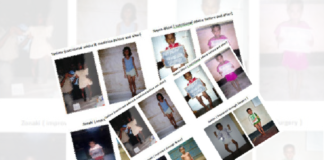
A quick rapid assessment survey was conducted on 35 households in the ethnic groups and 35-house hold in the plain land to see the prevalence of Rickets in the tribal community as already we have found rickets children in the plain land household in previous studies.
Detail >>

Development Partner

Healthlink Worldwide - SARPV's partner on the Communicating for Advocacy (CFA) project